

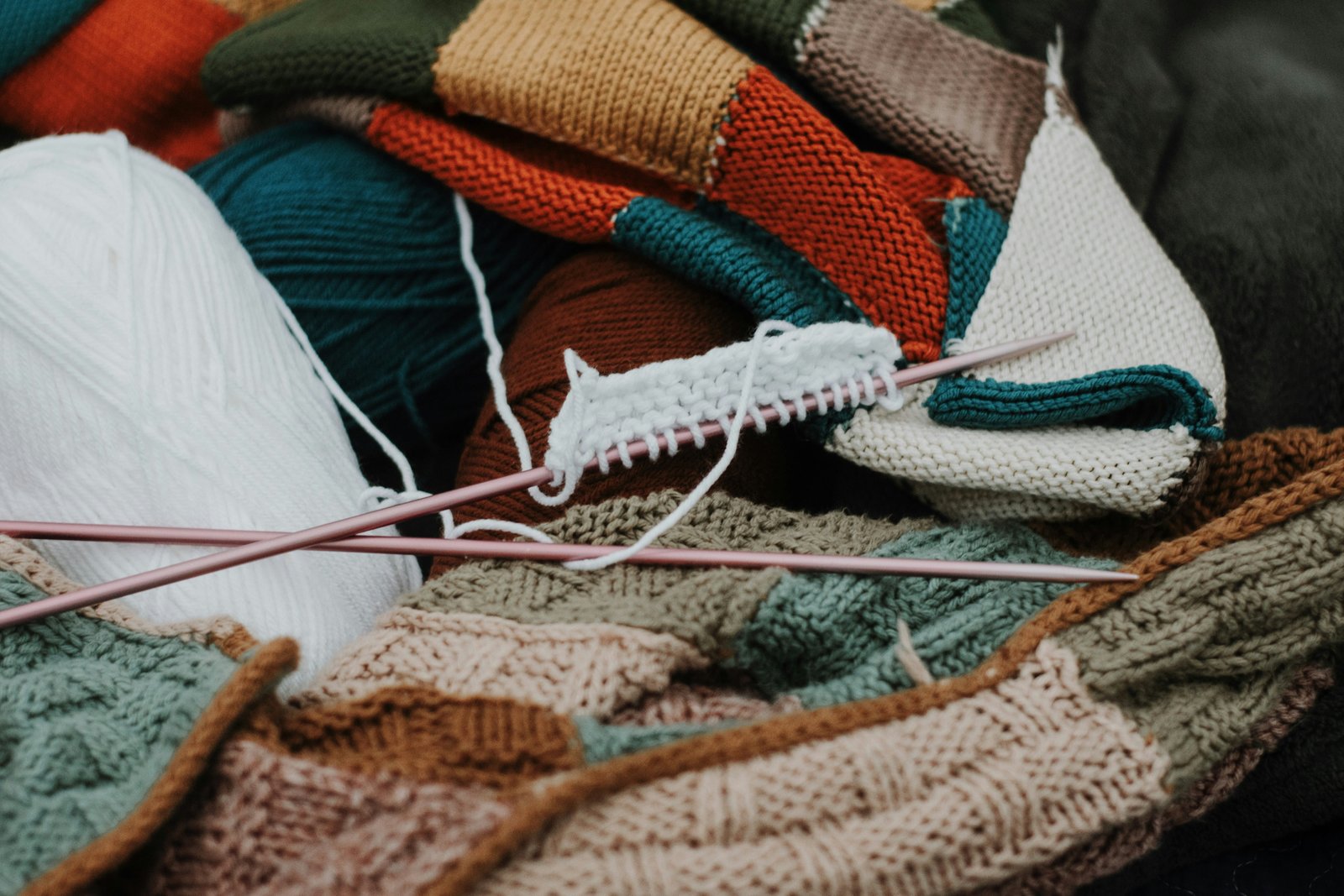
The Business involves establishing a workshop to produce knitwear. This workshop will allow you to meet customer demand for high-quality knitwear, which is in high demand.
Knitwear Production Factory
This feasibility study for a knitwear production project contains a range of details and data that will help you establish a viable investment opportunity. It will guide you through the strategies needed to implement the project and ensure you achieve your desired financial gains.
The Business involves establishing a workshop to produce knitwear. This workshop will allow you to meet customer demand for high-quality knitwear, which is in high demand.
This high demand will ultimately lead to the desired financial returns. The feasibility study for a knitwear production project includes all the necessary details, such as data, machinery, equipment, and strategies for implementing the project to a high standard.
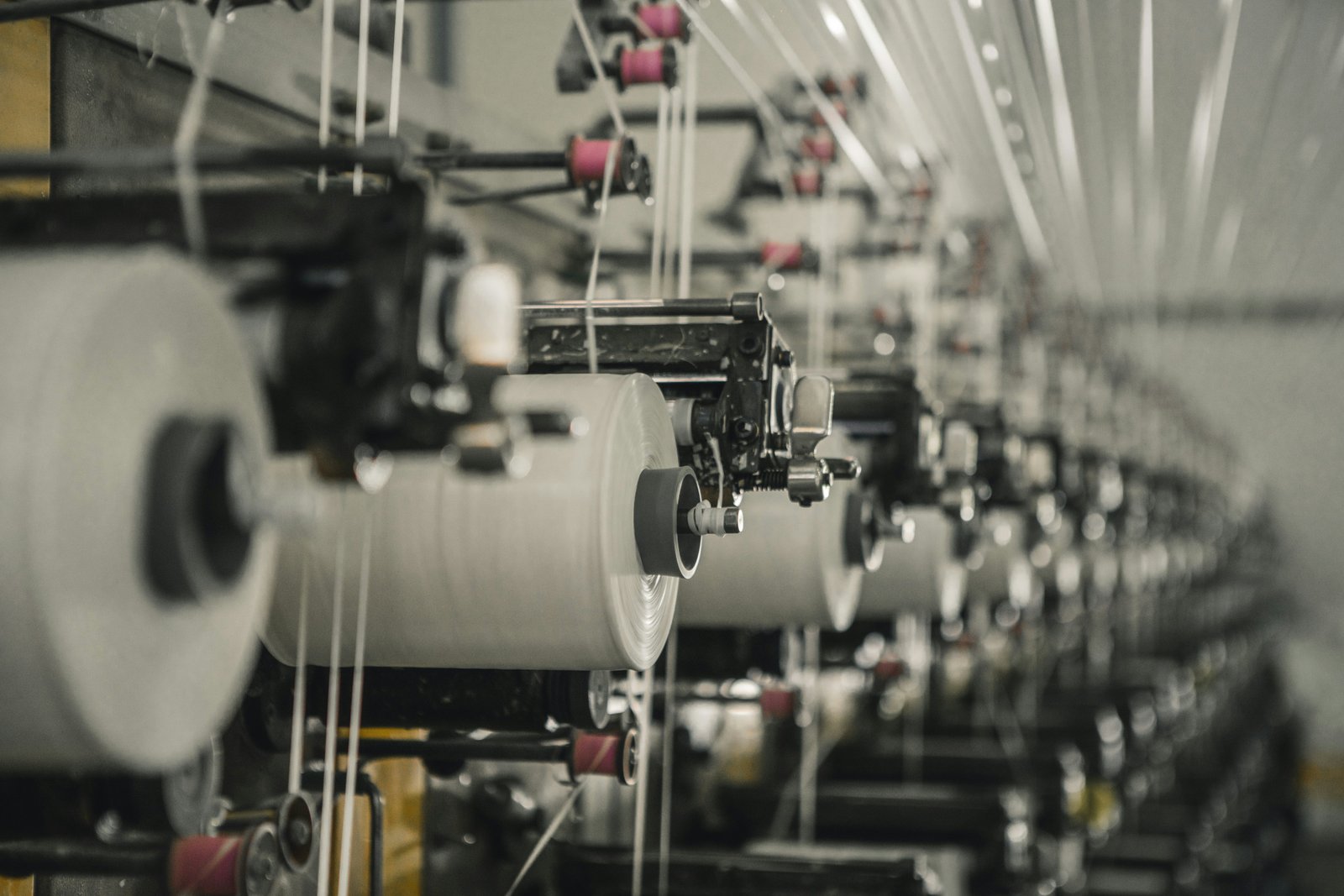
This will guarantee the production of high-quality products, facilitating faster market penetration.
Table of contents [Show]
- Advantages Of Knitwear Production Factory
- Requirements Knitwear Production Factory
- High quality Check
- Determining Material Contraction Rates
- Side seam length amounts
- Measuring Device for Shades of Grey
- Colorfastness of rubbing for sample
- Wales per Inch Equals WPI
- Discussion about examination results
Advantages Of Knitwear Production Factory
Project Advantages A knitwear production project is in high demand. You can produce large quantities of products and distribute them to customers. The raw materials needed to build the project are readily available. The project has the potential to produce high-quality products suitable for international distribution. The project can expand over time, allowing for increased production.
Requirements Knitwear Production Factory
Requirements for a Knitwear Production Project For a knitwear production project to be successful, several fundamental elements must be in place to ensure optimal value and financial returns. The most important elements and requirements for the project to operate at full capacity include: Adequate space for the project. Experienced and skilled labor.
The necessary equipment and machinery. Raw materials for manufacturing the products. Printed T-shirts. Printed polo shirts.The specifications of a knitwear production project make it a truly profitable venture.
It allows you to produce high-quality products that can ensure expansion and generate significant value and financial returns. Among the most important elements for a successful project are: Experienced and well-trained workforce. High-quality and distinctive products. Utilizing tools that enhance the production process.
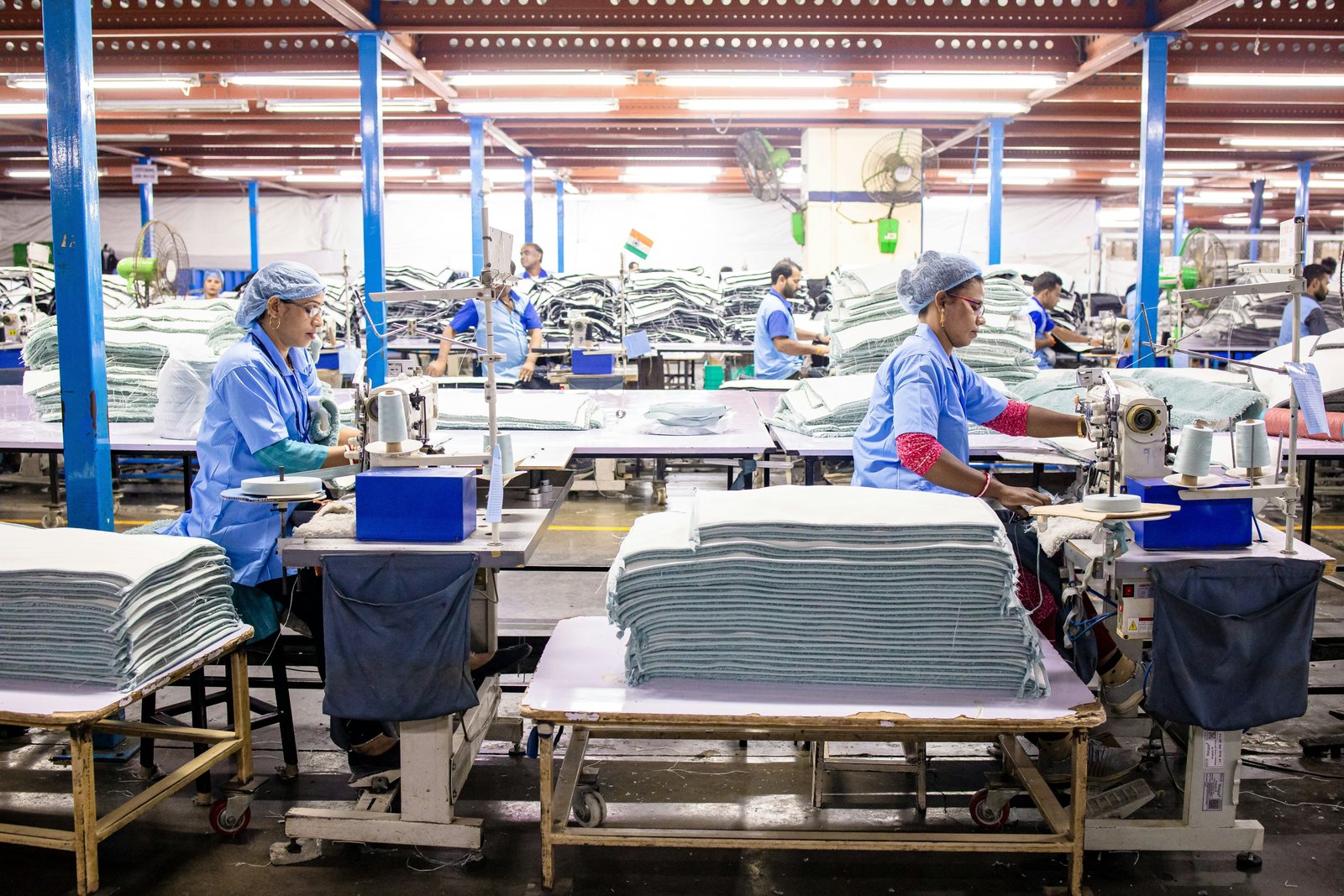
Location and project space. A knitwear production project is ideally suited to meet all customer needs. Ideally, it should be located near commercial areas to facilitate customer access. This type of project can fulfill customer needs by providing high-quality, well-made clothing that can be effectively marketed in densely populated areas.
As for the space required for a knitwear production project, ideally, you should have at least 350 square meters. This will allow you to provide all the necessary resources, including labor, machinery, and equipment.
Project Machinery and Equipment Knitting machines. Simple interior design. Suitable accessories. Glass display cases and showrooms. Sign with the company name. Scissors and tables. Measuring tape. Project capital cost: $650,000. Return on investment: 38%. Payment period: 4 years.
The outcome of physical residential properties (contraction, spirality, colorfastness and GSM) came adequate and within acceptable limitation. The individual review was extremely high (7.8 out of 10).
Saree has a glorious past and it still controls in the females's clothes world in Bangladesh. Although at existing, there are various kinds, designs and style in sarees existing, yet market demands cutting-edge ideas in the style of saree.
Search Phrases: Fully Fashion Knitted textile, Spirality, Shrinkage, GSM, Color Fastness, and so on.
An exploratory evaluation of integrating advanced knitting techniques right into traditional saree production.
Normally, Saree is a woven textile that is produced on an impend and it has residential or commercial properties of low contraction, reduced GSM and low spirality. The objective of this study is to produce a full fashion knitwear saree and test its different physical element like shrinkage, spirality, colorfastness and GSM to identify its acceptability in the market. After detailed study, a full style knitwear saree was created by the task and a lab examination was executed.
fashion-knit-saree-sketch
Number: A sketch of a completely style weaved saree.
The professionals in the textile field typically commented that this is an unique method and has bright prospects out there. However one sample isn't adequate to establish its acceptability on the market. As it was a novel job, so, it advises creating a couple of even more fully style knitwear saree to establish its top quality and need on the market.
1. Introduction
Woven modern technology on saree takes more sources for production. It takes a long time for women to wear a saree. There is no design or fashion which makes saree easy to uses. In the open market, there is an alarming requirement for the production of a saree with less sources and time while maintaining top quality and development in the item.
Bengal is widely known for its lively saree market, which is a considerable facet of the traditional clothes for Bengali women. Sarees have a long history and are crafted mostly through weaving techniques.
Creating the garments and the system was the most lengthy component of the job because the products had to be classy, manufacturable and preferably not also pricey. The look was nonetheless taken into consideration vital given that style always comes initially in the fabric.
The purpose of the job is to give a spick and period touch to the traditional saree. We are going to make the standard saree right into totally classy knitwear. The task stands on three legs: style, weaving method and yarn. The purpose of the paper is to describe how the combination of these points made an advancement.
2. Experimental procedure
Study Components and Techniques Utilized
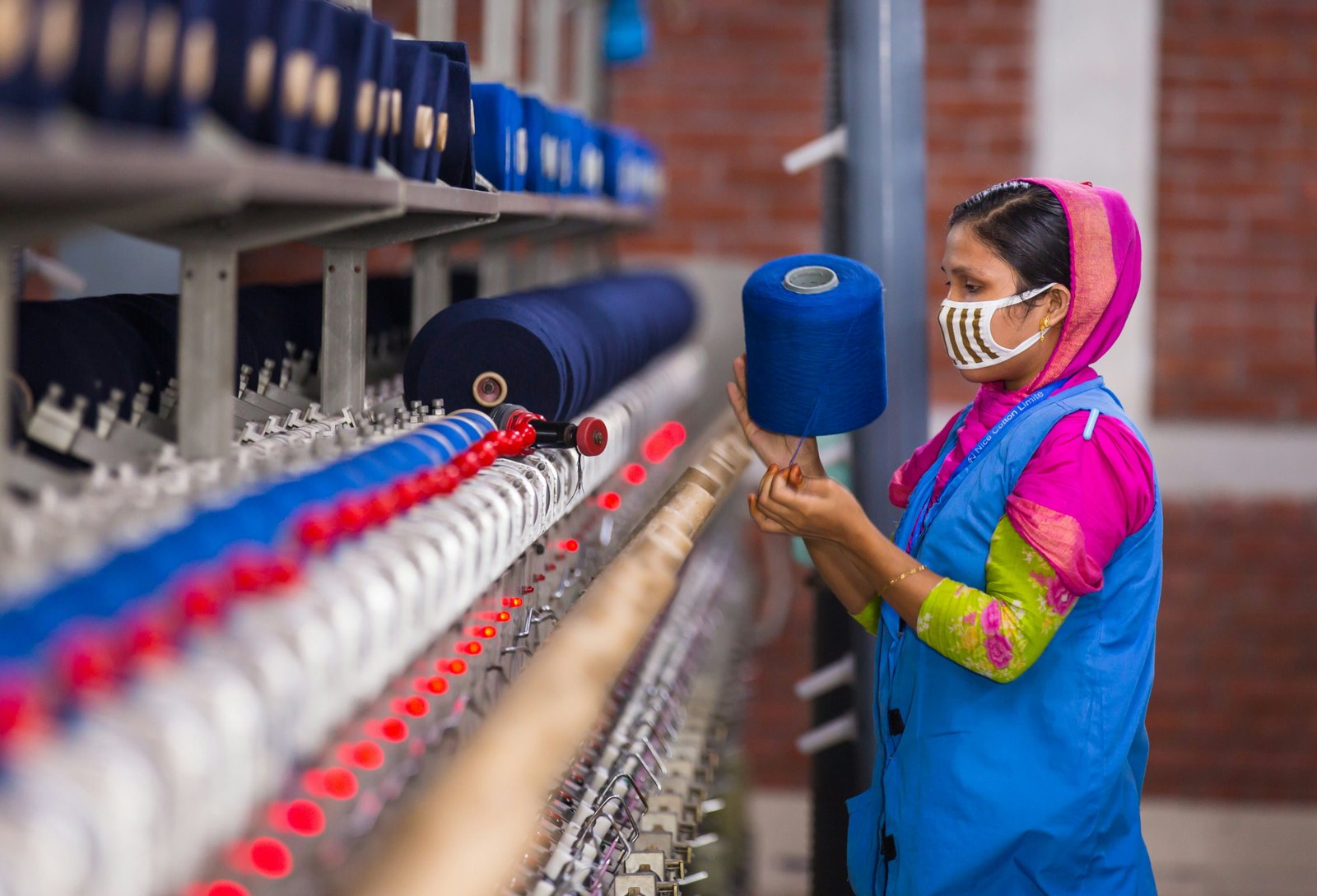
The information of the yarn made use of are laid out in Table 2, which specifies that the product includes cotton yarn and lace, with the thread itself being referred to as "Cotton" and manufactured by "Nice Cotton" with a thread count of 32/2.
Device spec and thread spec are offered listed below.
b) Automated Conversion: The procedure of transforming the preliminary layout made on the SDS-ONE APEX-4 into knitting data ideal for the knitting machine is described as automated conversion.
c) Automatic Software Settings: As for the vehicle process procedure initially, we verify automated software settings and afterwards clicked implemented automobile. After that, the structure pattern area was defined by clicking the original illustration according to the area menu. Next off, the vehicle procedure questions was done. In auto procedure questions detailed information was given according to the initial drawing info specified with the alternative line and the automobile process is completed.
After that, the knit information is loaded which was developed with SDS-ONE APEX-4. Next, the change information was entered on the operation display on the knitting device. Afterwards, the suitable stitch worth on the stitch display was given and the loophole size, along with stitch number, was made a decision.
After that the takedown worth according to the takedown number was entered on the takedown screen. And afterwards the value was gone into to make the tension of the main roller, and so on appropriately. It took 62 mins to make the saree.
Table 1. Knitting device and weaved data specification
Brand name of the machineShima Seiki Mach2 Sig Flat weaving device
Origin of machineJapan
ModelMACH2S
TextureSingle Jersey
Knitting Time62 MIN
Knitting Speed( m/s) 1.00 M/S
No. of courses1272
Knitting Width (Needle) 351( Half scale 351 * 12 = 702) N.
Knitting machine/Gauge14
The initial step entails developing the initial illustration, which includes shade numbers and various lines for options. At first, the pattern area is attracted making use of certain knitting structures shown by shade numbers. Following this, rib knitting and fixed rib knitting details are drawn beginning 2 lines below the pattern. Then, the pattern information for casting is sketched out. Lastly, vehicle thread feeder factors are included in both edges of the pattern to finish the pattern area. Ultimately, additional details such as service provider details, sew matter, sew stress, and take-down details are provided in the option line.
High quality Check
3.1. Establishing Shrinkage and Twist
3.1.1. Materials
Design template, Scissor, sewing maker, Horizontal Front-Loading Sample Washing m/c, Soaping Agent, Detergent, Softener.
3.1.2. Procedure
The preliminary size of the saree gauged 158 inches. It went through a cleaning procedure that utilized both detergent and softener. Following the drying out cycle, the material's length was re-measured to establish any type of adjustments. To analyze the level of shrinkage, a calculation is used utilizing a specific formula.
b = Distance after 2 ends before treatment.
The range between two ends prior to therapy is denoted by the variable "a".
The portion of shrinking amounts to b divided by a.
Determining Material Contraction Rates
Before washing the total length of the fabric was 158 inches.
= (158-148)/ 100
= 10%.
The complete length measures 148 inches after being cleaned.
Percentage of material contraction can be computed by subtracting the size after washing from the size before washing, then separating the result by 100.
Result of Shrinkage
Turning or spiraling in a piece of clothes becomes recognizable after it has actually been cleaned. This can create one of the side seams to change to the front when the garment is worn. The degree of spiraling is influenced by the material's structure and the construction of the garment.
For spirality check, First, the textile was reduced in a rectangle shape of 20" * 10" dimension. 20 inches in the weft instructions and 10 inches in warp or wale instructions. Afterwards, the textile was folded up and 2 ends were signed up with by an overedge stitch. It resembled a cylinder.
fashion-knit-saree.
Final overview of fully style knit saree.
The Spirality percent of material is calculated as Spirality % = 100 times the ratio of B to A.
A square (8" * 8") was marked with a material marker on one side of the folded up and sewn fabric. After that the sampling was cleaned utilizing 0.5% moistening agent for 40 min at 35 levels Celsius in horizontal front-Loading example cleaning m/c.
Total shrinkage 10%
The area where B represents the shift in the side seam's placement at the base complying with a washing cycle.
Side seam length amounts
Figuring Out Spirality Measurement 3.1.5
The formula for spirality is determined by taking the average rise on the left side and the ideal side, separating it by 2, and after that separating the outcome by the previous sample length, and lastly increasing by 100%.
Left Side Grew Longer by 0.25 Inches
Right Side Extension Measures 0.35 Inches
= (0.25 +0.35)/ 10 * 100%
= 3%.
3.1.6. Result of Spirality:
Measuring Device for Shades of Grey
We massaged the textile 10 times, finishing one rub per secondly. Adhering to that, we compared it with the greyscale.
Treatment 3.2.2.
End result of 3.2.3
Colorfastness of rubbing for sample
GSM depends upon the material sew length, course each length, wales per unit size and yarn count. GSM indicates the residential or commercial properties of the fabric such as material weight; in a defined area (one square meter). Material GSM calculations rely on the yarn count system (Hasan, K.F., 2015).
Computation
In the TEX system, the formula for determining the thread matter is: GSM amounts to the product of WPI, CPI, sew size in millimeters, 39.37, 39.37, and TEX separated by 1,000,000.
Wales per Inch Equals WPI
WPI = 14.
CPI = 15.
CPI stands for Course Per Inch according to Hasan, K.F. in 2015.
Below,.
Thread Count =32/2
GSM = (14 * 15 * 8 * 39.37 * 39.37 * 64)/ 1000000
SL = 8mm.
= 166.67.
= 167.
3.3.2. Outcome
The GSM was determined to be 167.
Discussion about examination results
Study findings
The waste level of this product is no. As due to the fact that the product is completely made along with extremely time-efficient. It took just 62 mins to produce the product.
The contraction examination produced an outcome of 10%, which drops within the acceptable restriction of 10%. Subsequently, the contraction outcome is deemed adequate. In addition, the material's colorfastness was rated 4, suggesting an exceptional efficiency, likely because of its light shade. Moreover, the material's weight was gauged at 167 grams per square meter (GSM).
The product has undertaken a Spirality examination, Shrinkage test, Colorfastness examination and GSM test to identify the high quality of the product. The result of the Spirality test is 3%. As greater than 1% spirality isn't appropriate. So, the item has reduced spirality.
1. Qualitative
For the qualitative study 19 experts were selected for the meeting. They were asked concerning the task, reputation of the product, technical specifications of the items which were located during the laboratory test and market demand of the item. Most of the interviewees have offered high gratitude pertaining to the job as this is an unique job.
Most of specialists shared optimism about the job's potential, citing its adequate technological specifications and well-received design. While the product has actually amassed extensive authorization, a few more examples of totally fashioned weaved sarees require to be made and based on further testing before a final evaluation can be made.
2. Quantitative
The supplied data indicates that 29% of survey participants rated the item as 8.5 out of 10, while 14% ranked it as 8 out of 10. to be a 7.5, with only 22% thinking it to be a 7 out of 10. The typical rating, at 7.8, suggests that the item is of exceptional quality and shows promising possibility out there.
An evaluation of the item's quality and market charm was performed with a survey. The viewpoints of 70 people from diverse histories and age groups were collected, with participants selected at arbitrary. The results of their examinations are provided in the table listed below, which categorizes responses pertaining to fashion, knitwear, technology, and sarees, as illustrated in Figure 3, a qualitative study summary.