













An electric car charging station project is a business initiative aimed at providing advanced infrastructure that allows electric vehicle owners to charge their vehicles easily and safely. These stations rely on multi-speed electric charging systems (slow, medium, and fast) using alternating current (AC) or direct current (DC), and are usually equipped with various inputs to suit most types of

A Comprehensive Guide to Costs and Profits (Case Study 2026)
The cost of an electric vehicle charging station project varies depending on the charging type and the project's location. This is a promising project given global and regional trends that encourage the use of clean energy to reduce harmful emissions. With the increasing use of electric vehicles, the availability of electric vehicle charging stations is essential.
Table of contents [Show]
- What is Electric Car Charging Station Project?
- Types of Electric Car Charging Stations
- How to Start Electric Car Charging Station Project?
- Cost of a Car Charging Station Project
- Types of Electric Charging Stations Available On The Market
- Documents Requirements for Establishing Electric Car Charging Station
- Requirements for Establishing Electric Car Charging Station
- Advantages of Electric Car Charging Station Project
- Strategies Increase Profitability for Electric Car Charging Station
- Tips for setting up electric car charging station
What is Electric Car Charging Station Project?
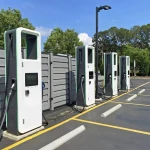
An electric vehicle charging station project is a business initiative aimed at providing advanced infrastructure that allows electric vehicle owners to charge their vehicles easily and safely. These stations rely on multi-speed electric charging systems (slow, medium, and fast) using alternating current (AC) or direct current (DC), and are usually equipped with various inputs to suit most types of electric vehicles.
With the global shift towards clean energy and the reduction of dependence on fossil fuels, this project is gaining strategic importance, especially with the noticeable increase in the number of electric vehicle users both locally and globally. Charging stations offer their services in multiple locations, such as traditional gas stations, parking lots, shopping malls, hotels, and highways, ensuring wider coverage for users.
Types of Electric Car Charging Stations
The Importance of Establishing Electric Vehicle Charging Stations
With the global trend towards clean energy and reducing carbon emissions, electric vehicle charging stations have become an essential part of the sustainable infrastructure of any country seeking to keep pace with technological and environmental developments. With the rapid increase in the number of electric vehicle users, establishing these stations is no longer a luxury option, but an urgent necessity to ensure ease of movement and support the future of smart transportation.
The importance of establishing charging stations lies in enabling electric vehicle owners to use their vehicles with confidence and without worrying about running out of charge while on the go. This contributes to increasing the adoption of this type of vehicle and, consequently, reducing reliance on traditional fuel-powered vehicles. These stations also offer various services, such as fast charging and smart charging, making them a crucial element in enhancing the user experience.
Investing in charging stations is a promising economic opportunity that contributes to creating new jobs, stimulating innovation in the transportation sector, and providing renewable sources of income for investors. Furthermore, government support for this type of project through incentives and legislation confirms that now is the most opportune time to enter this promising field.
How to Start Electric Car Charging Station Project?
An electric vehicle charging station project is one of the most prominent modern projects reflecting the global shift towards clean energy and sustainable mobility. With the increasing demand for electric vehicles both locally and globally, the need to provide a comprehensive charging infrastructure for these vehicles has become urgent. This project stands out as a strategic opportunity with high economic feasibility and long-term returns. However, the project's success depends not only on the idea itself but also on following precise and well-thought-out steps that include planning, implementation, and marketing. The following explains the most important stages of starting an electric vehicle charging station project:
1. Preparing a Comprehensive Feasibility Study
The feasibility study is the first and pivotal step towards the successful implementation of the project. It includes:
A financial analysis to determine the required capital.
Calculating the establishment and operating costs, and the potential return on investment.
A study of the technical aspects, such as the type of chargers required and the amount of power needed for operation.
An assessment of the target market and understanding the demand for charging services in the proposed area.
2. Choosing a Strategic Location
The location plays a crucial role in attracting customers and ensuring a continuous flow of electric vehicles. Choosing a location near vital hubs such as highways, shopping malls, parking areas, or gas stations enhances the project's viability. Easy access to the station, the availability of necessary electrical infrastructure, and sufficient space for chargers and waiting areas should also be considered. The ideal location is not limited to geographical location alone, but encompasses everything that contributes to a convenient and efficient user experience.
3. Obtaining Licenses and Permits
Implementing an electric vehicle charging station project requires obtaining official permits from the relevant authorities. This includes:
Environmental permits that ensure compliance with sustainability standards.
Technical permits related to charger installation and electricity connection.
Licenses with municipalities, electricity companies, and energy regulatory bodies to obtain all necessary legal approvals.
Compliance with laws and regulations helps protect the project from any future obstacles and enhances the confidence of both investors and customers.

4. Selecting the Right Charger Type
It is important to choose charger types that suit the needs of the target users in the area. There are two main types:
Slow AC chargers: These are suitable for parking areas and residential areas.
DC fast chargers: These serve highways and high-traffic areas.
The number and capacity of chargers should also be determined based on population density and the expected number of electric vehicles. Offering a variety of charger types ensures different preferences are met, enhancing customer satisfaction and service usage.
5. Purchasing and Installing Essential Equipment
The station requires advanced equipment to ensure efficient performance and ease of use. This includes:
Purchasing modern charging units.
Power control systems.
Interactive information displays.
Electronic payment devices.
Installing camera surveillance systems is recommended to enhance security, and providing comfortable seating or rest areas for customers while charging.
Investing in high-quality equipment not only ensures stable operation but also reduces future maintenance costs and extends the project's operational lifespan.
6. Partnering with Power Providers and Software Companies
To guarantee continuous operation and service quality, it is essential to contract with a reliable power provider that ensures a 24/7 electricity supply to the station. Partnering with specialized software companies is also crucial for developing an intelligent station management system. This system should include performance tracking, remote control, and user applications for advance booking and electronic payment. These technological solutions enhance operational efficiency and facilitate the user experience, contributing to building a strong reputation for the project in the market.
7. Launching a Strong Marketing Campaign
Marketing is the bridge that connects the project to its target audience; therefore, a comprehensive advertising campaign should be launched. It is recommended to use:
Digital tools such as search engine advertising, social media, and collaborations with technology and environmental influencers.
Using directional signs on roads and in shopping malls to inform drivers about the station's location and services.
The smarter and more targeted the marketing, the greater the station's chances of reaching potential customers.
8. Performance Monitoring and Future Expansion
After the station's launch and commencement of operations, performance should be monitored regularly through:
Usage data analysis.
Number of charging transactions and customer satisfaction levels.
This analysis helps identify strengths, weaknesses, and opportunities for future improvement. Based on this data, strategic decisions can be made, such as adding new chargers or expanding to additional locations. Smart expansion relies on understanding the market and analyzing trends to ensure continued growth and achieve the best possible return.
Cost of a Car Charging Station Project
How much does an electric vehicle charging station project cost? The cost of a small electric vehicle charging station ranges from $15,000 to $40,000, while a station with fast chargers and a commercial location ranges from $50,000 to $100,000. Accurate budgeting is crucial for success, helping investors understand expected costs and determine the project's potential return. Below is a table outlining the key financial items to consider when planning this vital project. Please note that these figures may vary depending on the project's location, station size, and selected suppliers.

Types of Electric Charging Stations Available On The Market
With the proliferation of electric vehicles on the market, charging stations have also diversified in terms of speed, current type, and cost. Understanding the differences between charging station types helps individuals and investors choose the most suitable solution based on their needs and budgets. It's worth noting that some vehicles do not support fast or ultra-fast charging, making it essential to ensure vehicle compatibility with the charger type used. For everyday use in cities, home charging via Level 1 or Level 2 is sufficient and cost-effective.
Here is a comprehensive comparison of the most prominent types of charging stations available on the market:
Sequence Type Current Used Charging Speed Suitable Use Approximate Charging Time Cost Advantages Disadvantages
1 Level 1 AC 110/120V Slow Homes, Personal Use 8-20 hours Low No additional equipment required Very long charging time
2 Level 2 AC 220/240V Medium Homes, Shopping Centers 4-8 hours Medium Balance between time and cost Requires special installation and professional connection
3 DC Fast Charging Very Fast Highways, Public Stations 30-60 minutes High Ideal for long trips High cost and requires powerful equipment
4 DC Ultra Fast Charging High power Ultra fast Main stations, Major cities 10-20 minutes Very high Supports modern high-performance cars High cost and requires advanced electrical infrastructure
Documents Requirements for Establishing Electric Car Charging Station
With the global and local expansion in the adoption of electric vehicles, it has become necessary to regulate the establishment and operation of charging stations through clear conditions and licensing that ensure quality, safety, and compliance with environmental standards. Obtaining the official license is one of the essential steps that any investor or company must adhere to before starting the project.
Requirements for Establishing Electric Car Charging Station
To successfully launch an electric vehicle charging station project, a set of technical and operational requirements must be met to ensure the station's safety, efficiency, and compliance with environmental and legal standards. The most important of these requirements are:
Choosing a Strategic and Secure Location: The location should be easily accessible, such as in public parking areas, shopping malls, gas stations, or along highways, while adhering to safety distances and planning standards.
Compliance with Approved Technical Specifications: Charging equipment that conforms to international standards such as IEC or SAE must be used, along with compliance with electrical protection and leakage prevention systems and the installation of smart circuit breakers.
Ensuring Sufficient Power Supply: A strong and stable power supply must be ensured, or renewable energy systems such as solar power should be installed in areas that encourage sustainable energy use.
Safety and Monitoring Systems: Protective measures such as surveillance cameras, adequate lighting, alarm systems, and procedures for preventing fire or electrical leakage must be provided.
Providing Smart Payment Methods and User Information: The station must be integrated with a smart charging system that supports electronic payments such as NFC or mobile applications, and provide instruction screens and emergency guidance. 2. Project Requirements
To obtain a legal license to operate an electric vehicle charging station, a complete file must be prepared and submitted to the relevant authorities in the country or city. This includes:
Submitting an approved feasibility study: This includes a financial analysis, investment size, operating plan, and expected return. It is often required for initial approval.
Obtaining a commercial registration and tax card: The investor must be a legally recognized and registered entity.
Obtaining approvals from relevant authorities: such as:
Ministry of Electricity and Energy
Ministry of Environment
Local Administration
Civil Protection or Civil Defense Authority
Submitting an engineering and technical plan for the station: This must include a design approved by a consulting engineer, specifying the number and type of chargers, electrical wiring, and emergency locations.
Official insurance documents: These include insurance against fire and electrical hazards, as well as property and potential damage insurance.
Conducting a pre-operational technical inspection: Some relevant authorities conduct a field inspection to ensure compliance with specifications before issuing the final license.
Advantages of Electric Car Charging Station Project
This type of project is among the most prominent initiatives aligned with the global trend towards clean energy and sustainability. With the increasing number of electric vehicles on the roads, it has become essential to explore investment opportunities in this vital sector. Before deciding to enter this field, it is important to understand the nature of the project and its market and technical dimensions. Here are the advantages of an electric vehicle charging station project, which demonstrate its feasibility and seriousness as a promising investment opportunity.
A Future Investment Opportunity: This project is one of the promising sectors experiencing rapid global growth with the increasing reliance on electric vehicles.
Government Support and Official Encouragement: Electric charging projects receive significant support from governments through tax breaks, investment incentives, and streamlined licensing procedures.
Stable and Increasing Financial Returns: As the number of electric vehicle users rises, the need for charging stations increases, providing a stable cash flow.
Diversified Income Streams: Additional profits can be generated by offering services such as retail, cafes, advertising, or car washes within the same location. Ease of Operation and Management: The stations rely on smart systems for managing charging operations and accounting, reducing the need for a large number of employees.

Lower Maintenance Costs: Compared to other industrial projects, charging stations do not require intensive daily maintenance, especially when using modern equipment.
Support for the Green Economy: The project contributes to reducing carbon emissions and promotes the concept of environmental sustainability.
Flexibility for Expansion and Development: The project can start with a limited number of charging units and then expand as needed, allowing for significant flexibility in capital management.
Mobile App Integration: The station can be linked to smart applications to display the real-time status of chargers, book reservations, and facilitate electronic payments, enhancing the user experience.
Electric Vehicle Charging Station Project Profitability: The profitability of an electric vehicle charging station project ranges between 20% and 35% of total revenue. According to market averages, the investor can recoup the capital within 18 to 36 months, especially if the station includes additional services such as selling coffee, providing light maintenance services, or even renting parking spaces.
The station can be linked to mobile applications that allow for advance bookings and electronic payments, boosting customer numbers and simplifying operations and monitoring. Furthermore, the lower operating and maintenance costs compared to other traditional projects make this project more stable in the long term.
This makes the project a promising venture with increasing returns, driven by the continuous growth in the number of electric vehicles and supported by government policies aimed at reducing reliance on traditional fuels. As demand increases, profit opportunities and revenue streams from this project expand. The following factors influence the profitability of an electric vehicle charging station project:
Station location.
Number of charging units available.
Type of chargers: fast or standard.
Service price.
Strategies Increase Profitability for Electric Car Charging Station
With increasing competition and the expanding electric vehicle market, relying solely on charging operations is no longer sufficient to achieve maximum returns. Smart and diverse strategies must be adopted to increase profitability and improve the user experience. The most prominent of these strategies are:
Choosing a High-Traffic Strategic Location: Locating a location near shopping centers, highways, or public parking areas increases customer numbers and ensures a stable daily flow of traffic. Diversify the types of chargers available: Offer a mix of fast and standard chargers to meet the needs of different types of vehicles and users, with varying prices for each service.
Add revenue-generating ancillary services such as a beverage kiosk, a small café, a retail store, self-service kiosks, or even car maintenance and cleaning services while charging.
Launch a dedicated mobile app for the station: An app that allows users to pre-book, track charging times, make electronic payments, and receive offers, thus boosting customer loyalty.
Dynamic pricing based on peak times: Increasing charging prices during peak hours or in high-demand locations can increase profits without affecting user satisfaction.
Sell subscriptions or monthly packages: Offer discounted charging packages to companies or individuals who use the station regularly, ensuring a stable and long-term income stream.
Promote through partnerships with car companies: Enter into partnerships with electric vehicle manufacturers or their dealers to connect the station to their services or include it on their maps.
Leasing advertising space within the station: You can generate additional income by renting digital screens or wall space to advertisers. Utilize solar energy to reduce costs: Installing a solar power system lowers electricity bills in the long run and increases net profit margins.
Improve customer experience and after-sales service: Providing excellent customer service, free Wi-Fi, or comfortable shade and seating will make users prefer your station over others.
Tips for setting up electric car charging station
Investing in high-quality equipment ensures stable performance and reduces long-term maintenance costs:
Offering multiple slow, medium, and fast chargers serves a wide range of users and increases the number of potential customers.
Provide an excellent user experience with user-friendly interfaces, clear instructions, comfortable waiting areas, and prompt technical support.
Promote your station effectively using digital marketing, Google Maps, social media, and partnerships with car companies to reach your target audience.
Regularly monitor station performance by tracking charging frequency, customer satisfaction levels, and technical issues to ensure continuous improvement.
Be prepared for smart expansion: Start with a suitable and scalable size, and be ready to expand as needed.